Building children’s empathy for animals
A new workshop, delivered as a collaboration between The Empathy Project and GenEarth CIC, aims to encourage children’s natural empathy for animals.
Why Animals Matter hopes to support and encourage young people’s love of animals, by celebrating what we share with animals, highlighting difficult ways they are treated by humans and imagining new ways of living with animals on the planet.
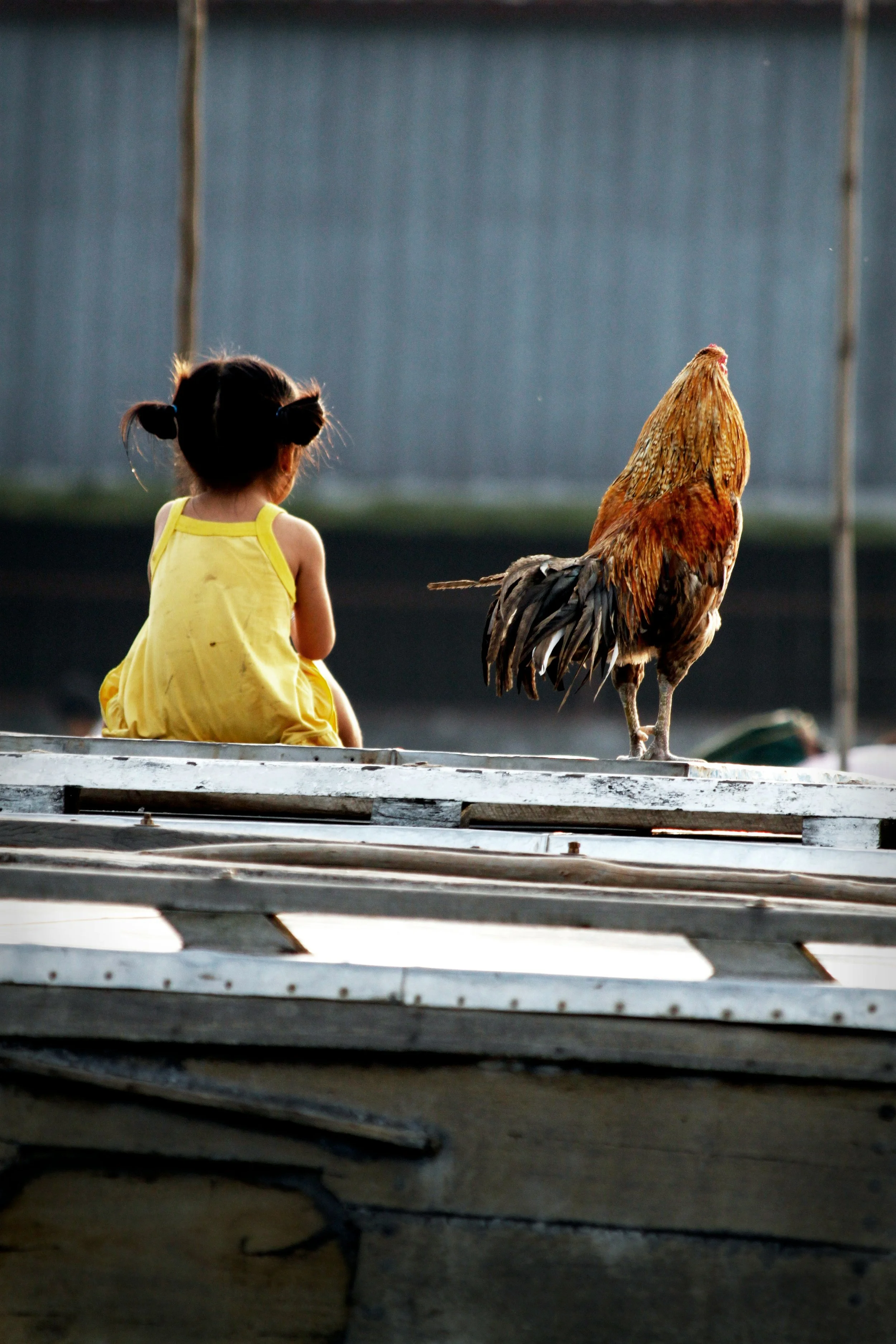
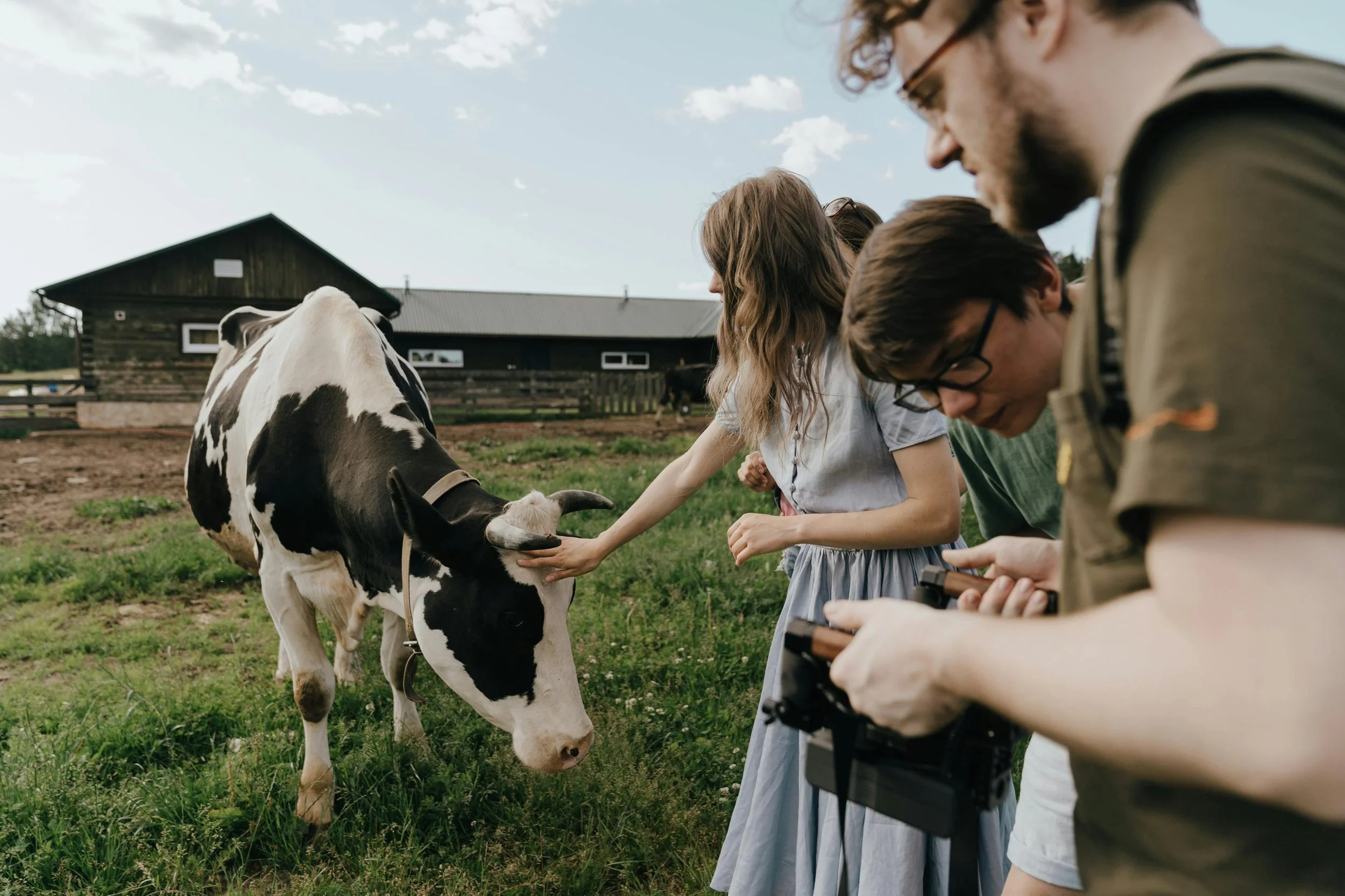
Through gentle storytelling, powerful short videos and open discussion, children are invited to step into the experiences of animals - to imagine their emotions, struggles, and joys.
The sessions bring empathy to life by helping students to see animals as sentient beings with their own personalities, families, feelings and needs.
THE WORKSHOP
The workshop has been commissioned by The Empathy Project, re-imagining the relationship between humans and animals,and will be designed and delivered by GenEarth, a non-profit that has equipped over 40,000 young people across England with the critical thinking skills to understand the climate and nature crisis and the agency to respond in ways that feel meaningful to them in their schools and communities.
Children will discover inspiring reasons to care for and protect animals. They will be encouraged to imagine lives as those animals and, in group activities, to speak on their behalf. Sensitive topics, such as farmed animals, will be explored thoughtfully and with care.
The workshops ask students to imagine a kinder world for all living beings. Space will be given for every voice to share and reflect on what compassion looks like in action.
Early iterations of the workshop will focus on primary school children but content will be adjusted for schools, colleges and universities in 2027 as well as respected farmed animal sanctuaries where students can take their learnings into the real world.
Children will be taught:
Animals facts and figures
Skills of critical thinking
Thoughtful dialogue
Empathy for others, both human and more-than-human
Activities to improve the lives of animals in their local area
BENEFITS TO CHILDREN AND SOCIETY
Studies have repeatedly shown real benefits to children who share affectionate bonds with animals: from strengthened perspective-taking and increased kindness towards others, to reduced stress and anxiety.
Successfully caring for an animal can make a child feel capable and valued. Kids who love animals are more socially competent and confident; showing a greater empathy towards peers, a stronger affinity for nature and through that, a greater willingness to enter pro-social and pro-environmental professions.
THE RISE IN ANIMAL CRUELTY AND THE DISCONNECTION FROM NATURE
Rates of animal cruelty and neglect in the UK are going up, with theRSPCA showing that cruelty reports rose by 19% in 2024 to 105,250, with a 33% spike in reports during the summer months. Reports of animal cruelty involving weapons, such as catapults and air guns, increased by 23% in 2023. As of December 2025, the RSPCA reported a 30% increase in neglect cases, with over 73,000 reports from January to October 2025, shattering previous records.
At the same time, there is a growing trend of "animal abuse for likes," with people sharing videos of torture, and a "downward trend" in affection for animals among teenagers. The RSPCA has observed a rise in the use of social media to share videos of wildlife and pets being abused.
In January, in Braziian, the torture of a community dog called Orelha by a group of teenagers was livestreamed on social media platform Discord. The internet is feeding a global phenomenon of cruelty and abuse amongst young people across the world.
Meanwhile, UK wildlife is in decline, with average species abundance dropping by 19% since 1970 and nearly one in six species threatened with extinction. Key drivers include intensive farming, climate change, and habitat loss; only 14% of key habitats are in good condition.
A 13% rise in factory farming over the past five years has led to a record 139 million more animals suffering in low-welfare conditions, creating cultures of legitimised suffering.The UK claims to be an animal-loving nation, home to one of the world’s oldest animal charities, the RSPCA; the reality on the ground for animals is very different.
At the same time, animals are starting to emerge from activism into culture, law and economics.
Films such as My Octopus Teacher demonstrate curiosity about our relationship with other species on this planet. Last year, the National Museum of Contemporary Art in Athens hosted a seminal year- long exhibition on contemporary art dedicated to animals. Last September, the Jeremy Coller Centre for Animal Sentience at the London School of Economics formally opened.
Why Animals Matter brings these issues into classrooms, putting animals at the centre of learning. This workshop joins these conversations at exactly the right moment, when our children need support reconnecting to the world’s other species.
WHO WE ARE
Bel Jacobs, writer and speaker. Bel is an advocate for climate and nature justice and for animals. She is also founder of The Empathy Project. For five years, she delivered talks about animal rights and veganism to primary and secondary school children for Animal Aid. She also trained and volunteered as a child counsellor with Place2Be.
GenEarth. GenEarth is a non-profit on a mission to equip every young person with the understanding, critical thinking and agency to navigate and respond to the climate crisis. They work with expert partners at the forefront of climate justice and conservation to deliver education that connects the dots between climate, nature, inequality and the systems driving all three.
Notes to editors:
For further information on the course and press interviews, and to find out ways to support the workshop, please contact: Bel Jacobs at bel@theempathyproject.co.uk, karl@cholla.agency or marianne@cholla.agency
The Empathy Project is a cultural project addressing the urgent need to reframe human relationships with animals, towards ways that benefit all. To find out more and subscribe, visit https://www.theempathyproject.co.uk. Follow on Instagram here.
The workshops will be rolled out in June and throughout the rest of the academic year.